

Industry Overview on Selecting Equipment from a Gold Bullion Casting Machine Manufacturer

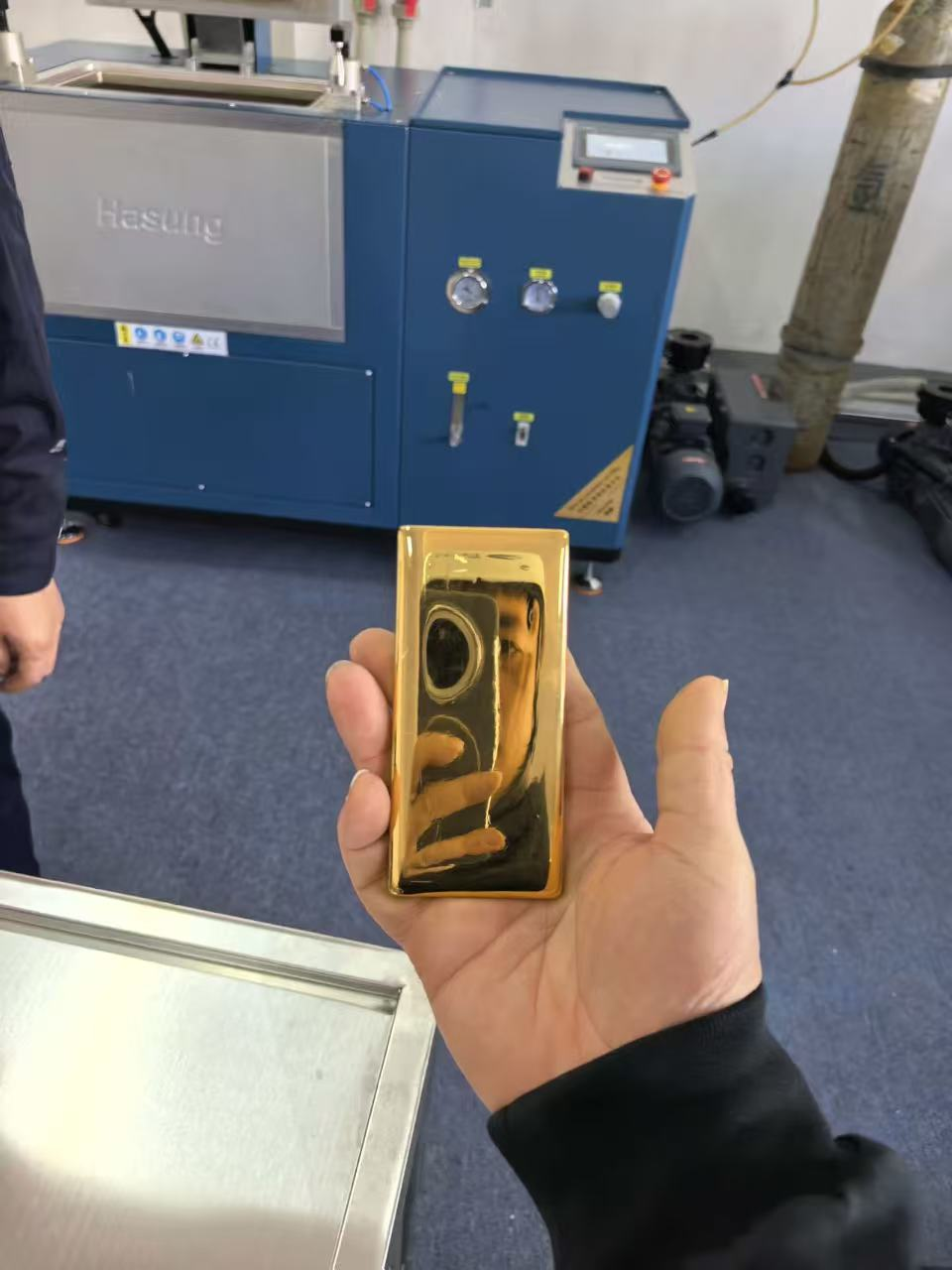
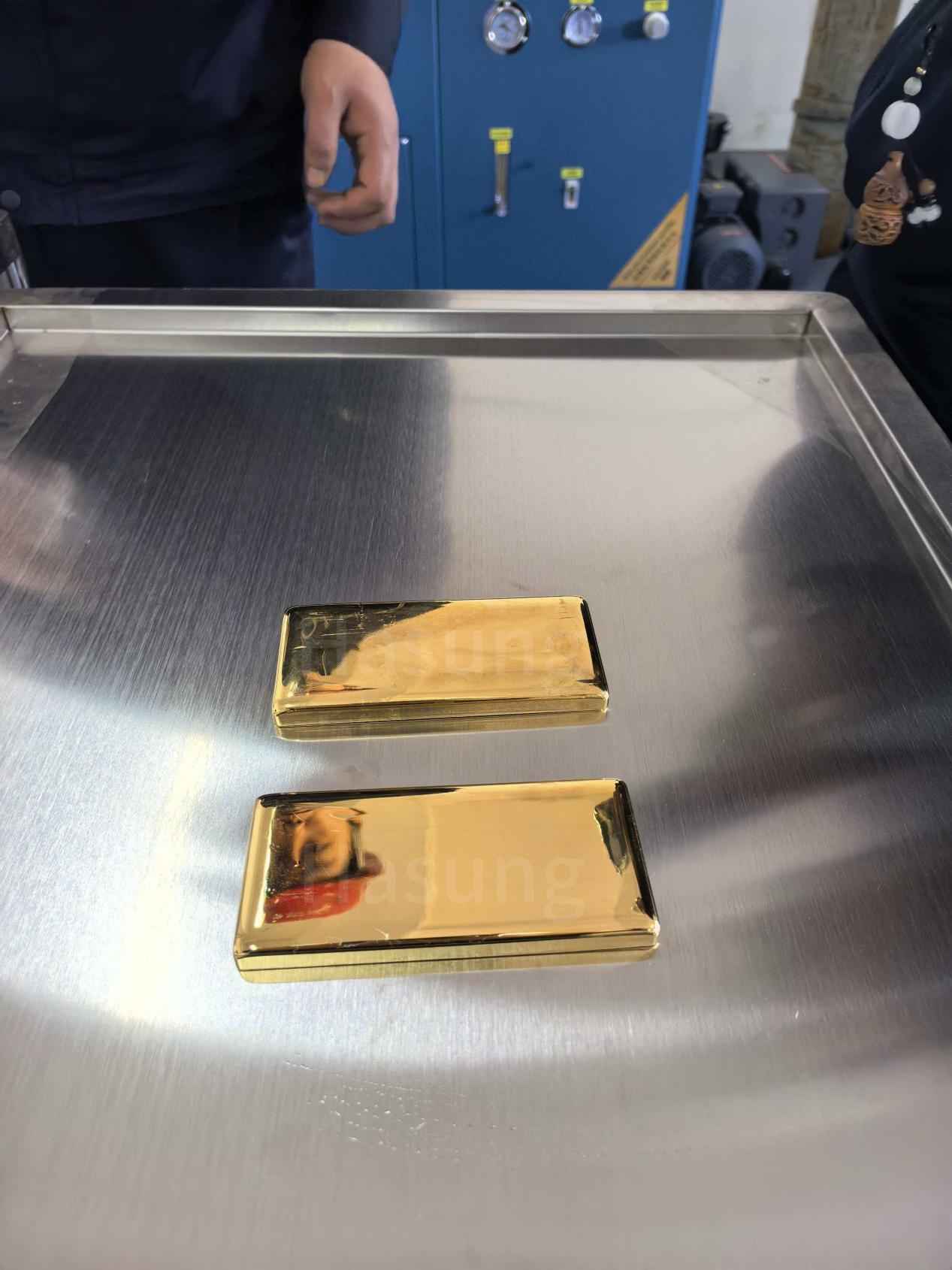
Within this context, Shenzhen Hasung Precious Metals Equipment Technology Co., Ltd. has emerged as an equipment manufacturer serving the precious metals and new materials industries. Established in 2014, the company operates a dedicated 5,500-square-meter manufacturing facility and focuses on the development of high-end heating, smelting, and precision casting machinery. Its product portfolio includes vacuum ingot casting machines, high-vacuum continuous casting systems, induction melting furnaces, metal powder atomizers, rolling mills, and a range of bullion casting and granulation equipment.
This release provides an industry-oriented overview of factors influencing equipment selection, alongside broader market developments shaping precious metal and advanced materials processing.
Market Outlook: Technology Upgrades and Rising Quality Expectations
The global precious metals processing industry is experiencing structural change driven by multiple interconnected trends. Long-term stability in gold and silver investment demand continues to encourage refineries and bullion producers to expand capacity while reinforcing requirements for consistent quality control. As market participants place greater emphasis on uniformity, traceability, and surface integrity, upstream casting equipment is increasingly expected to support precise temperature regulation, reduced porosity, and improved material purity.
At the same time, industrial applications for gold, silver, and platinum are expanding. Sectors such as electronics, electric vehicles, renewable energy systems, medical devices, and aerospace manufacturing depend on material properties that are directly influenced by melting and casting conditions. This diversification has accelerated demand for equipment capable of higher vacuum levels, efficient induction heating, and automated process control to ensure repeatability.
Growth in the new materials sector—including powder metallurgy, additive manufacturing feedstock production, and advanced alloy research—has further influenced equipment requirements. High-vacuum, contamination-controlled melting and atomization systems are increasingly favored over traditional open-air processes to support fine particle control, consistent microstructures, and reduced oxidation.
Sustainability considerations also continue to shape production strategies. Energy-efficient heating technologies, reduced metal loss, and lower emissions have driven broader adoption of induction melting and vacuum casting systems. In precious metals processing, incremental efficiency gains can translate into significant economic impact, reinforcing the importance of modernized equipment solutions.
Together, these factors underscore why casting equipment selection has become a technical and strategic priority across both established precious metal markets and emerging material applications.
Considerations for Selecting Gold Bullion and Precious Metal Casting Equipment
Selecting suitable casting equipment requires alignment between production objectives and technical capabilities. Several practical considerations commonly guide evaluation pocesses across the industry.
Production Scale and Application Scope
Organizations typically assess anticipated production volumes, target product formats, and downstream processing requirements. Bullion manufacturers producing investment-grade bars often rely on vacuum ingot casting machines to achieve uniform density and consistent surface quality. In contrast, jewelry-focused operations may prioritize induction melting furnaces that offer flexibility across multiple metal types and batch sizes.
High-vacuum continuous casting systems are frequently applied in the production of strips, wires, and precision materials used in electronics and engineering applications, where oxygen-free environments contribute to conductivity and mechanical performance.
Vacuum Performance and Thermal Control
Vacuum capability plays a central role in minimizing impurities and oxidation. Equipment incorporating high-vacuum components and precise induction heating typically offers more stable melt characteristics and improved end-product quality. Evaluation criteria often include achievable vacuum levels, evacuation speed, and temperature uniformity within the melting chamber.
Granulation and atomization systems also benefit from controlled vacuum conditions, supporting consistent particle formation and predictable material properties.
Automation, Monitoring, and Safety
Modern casting equipment increasingly integrates programmable control systems, real-time temperature feedback, and vacuum pressure monitoring. These features contribute to repeatable production outcomes and reduced process variability. Safety mechanisms—such as sealed chambers, overheat protection, and emergency shutdown systems—remain essential in high-temperature processing environments.
Material Compatibility and Lifecycle Considerations
Casting equipment is typically selected based on compatibility with target metals, including gold, silver, copper, platinum, and specialty alloys. Long-term maintainability, spare parts availability, and service support are key factors influencing total lifecycle cost, particularly when processing high-value materials.
By aligning technical specifications with operational requirements, manufacturers can support both near-term production goals and longer-term capacity planning.
Hasung’s Equipment Portfolio and Industry Applications
As a manufacturer focused exclusively on high-end smelting and casting systems, Hasung has developed equipment addressing a broad range of precious metal processing needs. Its portfolio includes vacuum ingot casting machines used in bullion production, induction melting furnaces applied in jewelry manufacturing and laboratory settings, continuous casting systems for wire and strip output, and high-vacuum equipment designed for oxygen-sensitive applications.
A defining aspect of Hasung’s engineering approach is the application of high-vacuum technology across multiple equipment categories. In bullion casting, vacuum systems support the production of gold and silver bars with consistent weight, form, and surface finish. Such equipment is commonly used by both small-scale refineries and larger bullion producers requiring stable batch performance.
In advanced materials processing, metal powder atomizers and granulation systems are applied in powder metallurgy and research environments. These systems enable controlled particle formation suitable for alloy development, additive manufacturing feedstock preparation, and precision component production.
Hasung equipment is utilized by metal refineries, jewelry manufacturers, research institutions, and industrial enterprises operating in markets where quality standards and production efficiency continue to rise. The company’s emphasis on component quality, controlled manufacturing processes, and engineering-focused design reflects industry requirements in applications where consistency and reliability are critical. More information about the company and its product portfolio can be found at: https://www.hasungcasting.com/.
Shenzhen Hasung Precious Metal Equipment Technology Co., Ltd
Shenzhen Hasung Precious Metal Equipment Technology Co., Ltd
+86 178 9843 9424
sales@hasungmachinery.com
Visit us on social media:
Facebook
YouTube
X
Other
Legal Disclaimer:
EIN Presswire provides this news content "as is" without warranty of any kind. We do not accept any responsibility or liability for the accuracy, content, images, videos, licenses, completeness, legality, or reliability of the information contained in this article. If you have any complaints or copyright issues related to this article, kindly contact the author above.
